
Choosing the right heating system is one of the most important decisions you will make as a homeowner, especially with Pennsylvania’s cold winters. When comparing a heat pump vs furnace, the best choice often depends on your climate, energy needs, and long-term comfort goals. Both systems can keep your home warm, but they work very differently and offer unique benefits. Understanding how they compare can help you make an informed decision before upgrading or replacing your current heating unit.
Understanding the Difference: How Each System Works
Before you can decide between a heat pump vs furnace, it helps to understand how each system operates.
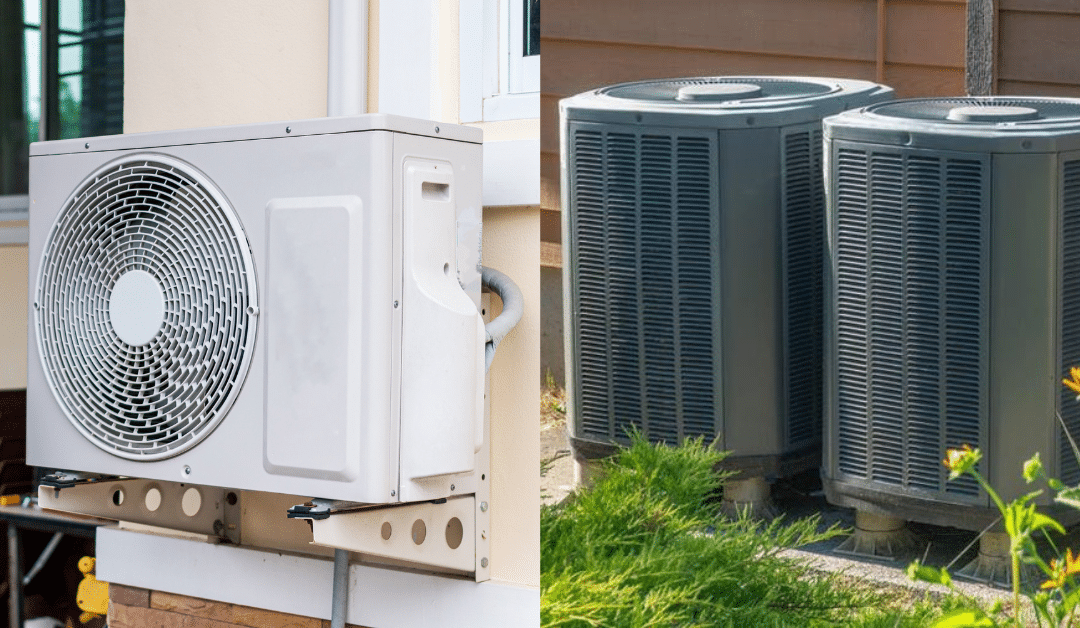
A heat pump uses electricity to move heat from one place to another. In the winter, it extracts heat from the outdoor air and transfers it inside. In the summer, it can reverse direction and function as an air conditioner. A heat pump does not create heat. Instead, it relocates it, which often makes it more energy efficient in mild climates.
A furnace, on the other hand, creates heat. It burns fuel, such as natural gas, propane, or oil, or uses electricity to warm the air before sending it through your ductwork. Furnaces are widely known for producing strong, consistent heat, which is especially helpful in very cold climates.
This difference between transferring heat and generating heat is the foundation of the heat pump vs furnace comparison.
Heat Pump vs Furnace, Energy Efficiency
Energy efficiency is one of the biggest factors in choosing a heating system.
A heat pump is often more energy efficient because it moves heat rather than generating it. Even when the outdoor temperature is cold, there is still some heat energy in the air that the system can use. This process consumes less electricity compared to electric furnaces and can result in lower monthly energy bills. Heat pumps also have high SEER and HSPF ratings, which indicate better performance and efficiency during heating and cooling seasons.
However, in the heat pump vs furnace discussion, cold climates are an important consideration. Heat pumps work best in mild to moderately cold temperatures. When the temperature drops below freezing, the system may struggle to pull enough heat from the outdoor air. This causes it to rely on a backup heating strip, which uses more electricity and reduces overall efficiency.
A furnace remains reliable in even the harshest winter conditions. Gas furnaces in particular are known for producing strong, steady heat regardless of outdoor temperatures. If you live in an area where winter temperatures frequently fall below freezing, a furnace may be the more efficient option in the long run.
Heat Pump vs Furnace, Which System Costs More?
Cost is another key factor when deciding between a heat pump vs furnace.
A heat pump has a higher upfront cost because it functions as both a heating and cooling system. You are essentially getting two systems in one. Installation requires more components and more labor, which can increase the initial investment.
A furnace generally costs less upfront. However, homeowners will also need a separate air conditioning unit for the summer months. When you add the price of a furnace and an air conditioner together, the cost may equal or even exceed the price of a heat pump. This is an important calculation to keep in mind.
Operating costs can also differ. In areas with high electricity rates, heat pumps may be more expensive to run during extremely cold weather. Furnaces that operate on natural gas tend to have lower operating costs and produce more heat for less money.
So when comparing heat pump vs furnace options, it is helpful to look at both upfront and long-term costs. Your fuel type, climate, and usage patterns all play a role in determining which system is more cost effective over the lifespan of the equipment.
Heat Pump vs Furnace, Comfort and Performance
Comfort levels are an important part of deciding between a heat pump vs furnace.
A heat pump produces gentler, more continuous heat. It does not blast hot air the way a furnace does. Instead, it provides a steady, even temperature throughout your home. Many homeowners find this more comfortable because it avoids hot and cold spots.
A furnace, especially a gas furnace, produces strong, powerful heat. It quickly raises indoor temperatures and keeps your home warm during even the most frigid winter nights. If you prefer fast, intense heating, a furnace may be the more comfortable option.
Another difference in the heat pump vs furnace comparison is humidity control. Heat pumps can help remove excess humidity during the summer, improving indoor air quality. Furnaces do not provide this benefit unless paired with a whole-home air conditioner or dehumidifier.
In regions with mild winters, heat pumps perform exceptionally well. In colder climates, furnaces often deliver better comfort and reliability.
Heat Pump vs Furnace, Climate Considerations
Climate is one of the strongest deciding factors in the heat pump vs furnace debate.
Heat pumps work best in regions with moderate winter temperatures. They are extremely efficient in areas where freezing temperatures are occasional rather than constant.
Furnaces excel in cold climates. They can produce strong heat no matter how low the temperature drops outside. This makes them the preferred choice in northern states where winters can be long and severe.
In Pennsylvania, homeowners often experience a mix of mild and freezing temperatures. This is why many people consider hybrid systems, also known as dual fuel systems. A hybrid system uses a heat pump most of the time and switches to a furnace only when temperatures fall below a certain level. This gives you the best of both worlds.
Heat Pump vs Furnace, Maintenance Requirements
Maintenance is another key difference in the heat pump vs furnace decision.
A heat pump requires maintenance twice a year because it runs year-round, providing both heating and cooling. Homeowners need regular inspections, filter changes, coil cleanings, and performance checks to keep the system in good shape.
A furnace typically requires one annual tune up before the heating season begins. If it is gas or oil powered, it must be inspected for safety concerns such as carbon monoxide leaks, fuel connections, and proper ventilation.
Both systems benefit from professional maintenance, but heat pumps require slightly more attention because they operate more frequently throughout the year.
Understanding these maintenance needs is a big part of comparing a heat pump vs furnace and choosing the system that fits your lifestyle and long-term comfort needs.
Heat Pump vs Furnace, Lifespan and Durability
Durability is another factor to consider when choosing heat pump vs furnace systems.
A heat pump usually lasts 12 to 15 years because it runs all year. The constant operation limits its lifespan compared to systems that only run seasonally.
A furnace, particularly a gas furnace, lasts around 15 to 20 years or longer with proper care. Because it only operates during the colder months, it experiences less wear. This longer lifespan can make furnaces more appealing for long-term homeowners.
When comparing heat pump vs furnace longevity, consider how long you plan to stay in your home and how much maintenance you are willing to invest in each system.
Which System Is Better for Your Home?
There is no one size fits all answer to the heat pump vs furnace question. The best system for your home depends on your climate, fuel type, comfort preferences, and long-term energy goals.
A heat pump may be the better choice if you want a single system that provides both heating and cooling, prefer lower energy usage, and live in an area with moderate winter temperatures.
A furnace may be the better option if you need strong, consistent heat, want a longer lasting system, or live in a cold climate where temperatures frequently fall below freezing.
The best way to decide is to schedule an evaluation with a qualified technician. At Berks Energy Heating and Air Conditioning, we can assess your home’s needs and help you choose the right system based on size, efficiency, and performance.
Keep Your Home Comfortable All Year Long
Whether you choose a heat pump vs furnace, you deserve a system that provides reliable, efficient, and consistent comfort. With professional guidance and expert installation, you can feel confident that your home is equipped with the right heating solution for years to come.
If you are ready to explore your options and find the best system for your home, our team is here to help.
Ready to Take the Next Step?
Call us today to learn more about how Berks Energy Heating and Air Conditioning can help keep your home comfortable in every season.
Stay up to date with the latest at Berks Energy Heating & Air Conditioning by following us on Facebook.